Deemed and out-of-contract rates are what you pay for business energy when you don't have a proper...
Fixed vs Flexible Energy Contracts for Pubs
Most single pubs are better off on a fixed energy contract, because it gives you a set price and predictable bills. Flexible contracts can suit larger pub groups that use a lot of energy and can manage some price risk. This guide explains how each works and how to choose.
What is a fixed energy contract?
You agree a unit rate and standing charge for a set term, usually one to three years (sometimes up to five). Your rates don't change during the contract, even if wholesale prices go up or down.
Pros:
- You know exactly what you'll pay per unit, which makes budgeting easy.
- You're protected if wholesale prices rise.
- Simple to understand and manage.
Cons:
- You don't benefit if prices fall during your contract.
- Leaving early usually means an exit fee.
- If you fix when prices are high, you're locked in.
What is a flexible energy contract?
Instead of buying all your energy at one price on one day, a flexible contract buys it in chunks over time. Your supplier or broker buys energy when the price looks right, so your final price is an average of several purchases.
Pros:
- You spread the risk of buying at a bad time.
- You can benefit when wholesale prices fall.
- Can work well for high, steady usage.
Cons:
- Your price isn't fixed upfront, so budgeting is harder.
- Needs active management and a clear buying strategy.
- Usually only available to larger users.
Other options you might see
- Variable or rolling contracts. Your rate can change at any time. Useful for a short gap, but often more expensive.
- Out-of-contract and deemed rates. What you pay with no contract in place. Usually the most expensive option. See our guide to deemed and out-of-contract rates.
- Pass-through contracts. Your unit rate is fixed, but some non-energy costs (like network charges) are passed on at cost. They can look cheaper but carry more risk.
- Green tariffs. Fixed or flexible contracts backed by renewable sources.
Which is best for your pub?
| Your situation | Usually best |
|---|---|
| Single wet-led or food-led pub | Fixed, 1 to 3 years |
| Small group of 2 to 5 pubs | Fixed, ideally on one renewal date |
| Large group with high usage | Compare fixed and flexible side by side |
| Selling or leaving the pub soon | Short fixed term, check exit terms |
When to lock in a fixed price
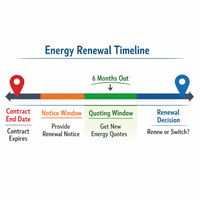
You can usually agree a new fixed contract up to 12 months before your current one ends. Start early so you have time to compare and aren't forced to accept whatever's on offer at the last minute.
Frequently asked questions
How long should a pub fix its energy for?
Most pubs choose one to three years. Longer terms give more certainty but less chance to benefit if prices fall.
Can I leave a fixed contract early?
Usually only by paying an exit fee. Check your contract terms before you sign.
Get both options compared
We'll show you fixed and, where it suits you, flexible options side by side. Get a pub energy quote or call 0151 541 6767.