

If you have been watching wholesale gas prices and assuming your next business energy bill is about...
What to Look for in a Business Energy Contract (Before You Sign Anything)
Signing an energy contract without reading the fine print is a bit like agreeing to a mobile phone deal without checking the data allowance. It might be fine — or it might cost you a fortune down the line.
With energy, the stakes are higher. A poorly negotiated contract can lock your business into above-market rates for years. Here are the key things you should check before putting pen to paper.
1. Contract length Longer isn’t always better. Fixing for too long in a falling market means you miss out on savings. Fixing too short in a rising market leaves you exposed. Understanding where the market is heading matters — and that’s where having the right advice pays off.
2. Unit rates vs. standing charges Your bill is made up of both. A low unit rate with a high standing charge can still work out expensive, especially for businesses that use energy consistently throughout the day.
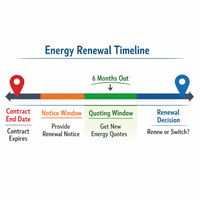
3. Auto-renewal clauses Many suppliers will roll your contract over automatically if you don’t notify them within a specific window — sometimes as early as 6 months before your end date. Miss that window and you could be tied in for another year at a rate you never agreed to.
4. Exit fees Check whether there are penalties for leaving early. Some contracts have none. Others have fees that make it financially painful to switch even when a much better deal is available.
5. Renewal notifications Who’s going to remind you when it’s time to review? If the answer is “nobody,” that’s a problem.
At our company, we keep track of your renewal dates and reach out proactively. You won’t be scrambling at the last minute or accidentally rolling into a bad deal. That’s the kind of hands-on service that makes a real difference — and it’s something a big call centre simply can’t offer.
Got a renewal coming up? Let’s talk before you sign anything.